Nordica Landing
For saleUnder contract1756 S Clyde Morris Blvd, Daytona Beach, FL 32119
Daytona Beach, FL
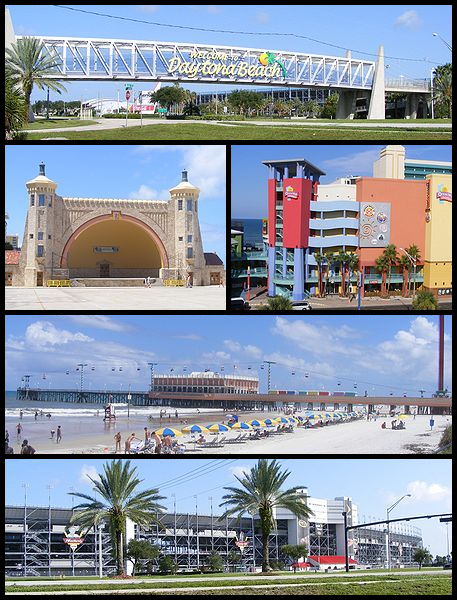
Daytona Beach is a coastal resort city on Florida’s Atlantic coast, divided by the Halifax River and centered in the Fun Coast region. Renowned for its wide, compacted-sand beaches, the city is also the headquarters of NASCAR and home to Daytona International Speedway. Its tourism, aviation, motorsports, and cultural institutions give it an identity that extends far beyond its shoreline.
Recreational Delights
More than 23 miles of public beaches provide swimming, sunbathing, fishing, surfing, beachcombing, and limited vehicle access on the hard-packed sand. Waterfront parks along the Halifax River support walking, picnicking, boating, and scenic relaxation, while Tomoka State Park nearby offers nature trails and wildlife viewing. Golfers can play the historic Daytona Beach Golf Course or LPGA International. Daytona International Speedway adds major motorsports events, while the Ocean Walk area and Daytona Lagoon provide family-oriented entertainment and recreation.
Culinary Scene
Daytona Beach’s dining scene combines casual coastal Florida fare with an international mix shaped by tourism, students, and seasonal visitors. Along the beachfront and Ocean Walk area, restaurants specialize in seafood, burgers, outdoor dining, and relaxed resort meals. Mainland Daytona and the historic downtown districts offer diners, cafés, barbecue, Latin and Caribbean flavors, and neighborhood eateries. The city’s food culture intensifies during Bike Week, Speedweeks, spring break, and major races, when visitors fill bars, grills, and hospitality venues throughout the beachside and International Speedway corridors.
Demographics
- The supplied demographic profile lists 78,992 residents, with a median age of 40.3—slightly older than the U.S. median of 38.9. The 2020 census recorded 72,647 residents.
- Median household income is $52,058, substantially below the supplied U.S. median of $80,734, highlighting affordability alongside notable income disparities.
- Daytona Beach is strongly urban, with 95.3% of 2020 residents living in urban areas. Individuals comprise many households, and 21.1% of residents were 65 or older.
Population
78,992
Growth 4.04%
Households
34,652
Growth 4.67%
Median Age
40.3
US Median Age 38.9
Median Household Income
$52,058
US Median Household Income $80,734
Radius Metrics Highlights in 3-mile radius
62,445
Total population
12%
5 year population growth projection
28,393
Total households
$33,368
Per capita income
| 1 Mile | 3 Miles | 5 Miles | |
|---|---|---|---|
| Total population | 9,739 | 62,445 | 136,471 |
| 5 year projected total population | 9,024 | 70,073 | 195,573 |
| Total households | 4,680 | 28,393 | 61,110 |
| Current Median Household Income | $57,998 | $57,446 | $57,834 |
| 5 year projected median household income | $86,401 | $77,439 | $78,724 |
| Current Per Capita Income | $35,033 | $33,368 | $34,162 |
| 5 year projected per capita income | $49,704 | $45,447 | $45,560 |
| Median home value | $149,951 | $191,401 | $231,015 |
Sports
Motorsports
NASCAR / Daytona International Speedway
Baseball
Daytona Tortugas
College football
Bethune–Cookman Wildcats
Golf
LPGA International
Education
Bethune–Cookman University
Daytona State College
Embry–Riddle Aeronautical University
University of Central Florida, Daytona Beach Campus
Entertainment
Daytona International Speedway
Peabody Auditorium
Museum of Arts and Sciences
Southeast Museum of Photography
Quality of Life
Daytona Beach offers a relaxed coastal lifestyle, abundant outdoor recreation, cultural attractions, and a year-round calendar of major events. Its humid subtropical climate supports beach living, though hurricanes, heavy summer rain, occasional flooding, and seasonal dryness are risks. Income levels trail national figures, but the city benefits from healthcare, higher education, tourism, and transportation access.
2022 Population by age
4%
0-4 Years
16%
5-19 Years
10%
20-24 Years
24%
25-44 Years
23%
45-64 Years
23%
65+ Years
Employers
5%
Unemployment rate
Employment sectors
Health Care and Social Assistance
16.56%
Retail Trade
16.47%
Educational Services
9.31%
Accommodation and Food Services
9.31%
Administrative and Support and Waste Management Services
6.86%
Transportation and Warehousing
6.54%
Professional, Scientific, and Technical Services
5.67%
Finance and Insurance
4.98%
Construction
4.97%
Manufacturing
4.34%
Public Administration
3.37%
Real Estate and Rental and Leasing
2.65%
Wholesale Trade
2.63%
Information
2.29%
Arts, Entertainment, and Recreation
2.28%
Other
1.75%